
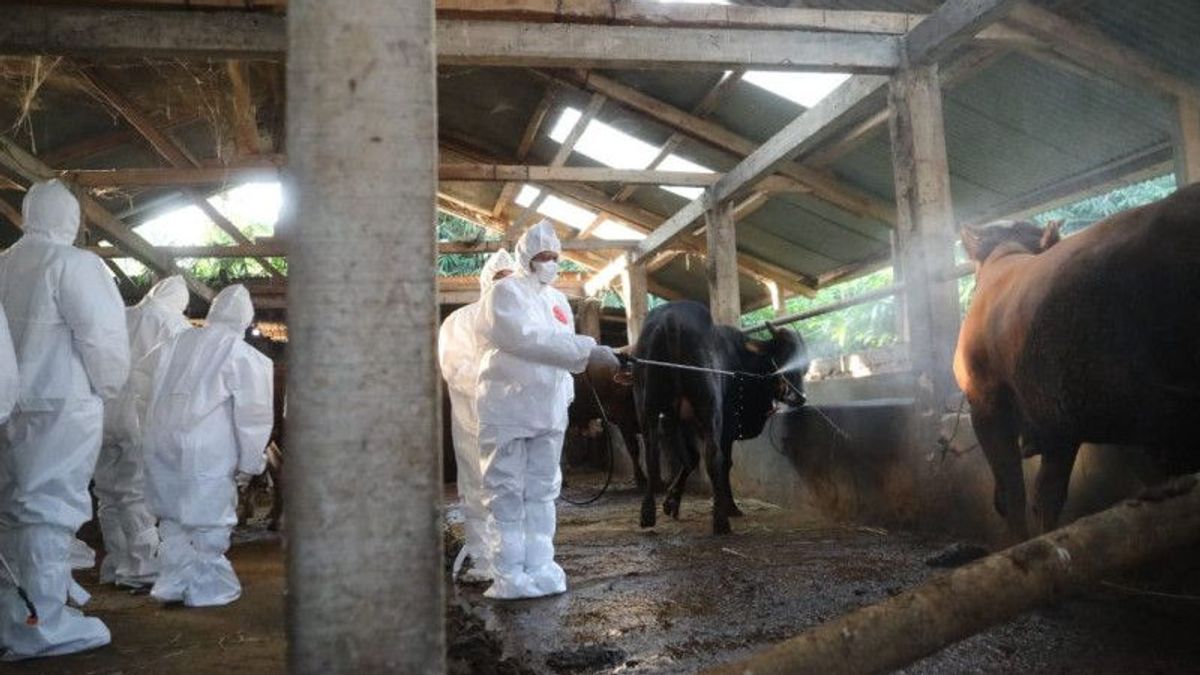
Why investing in disease prevention
is the foundation of sustainable and commercially successful livestock
enterprise.
Livestock farming is evolving
into a highly competitive business where profitability does not only depend on
production levels alone, but also on the ability to manage risk. While farmers
are advised to focus on improving genetics, nutrition, housing, and marketing,
one of the most important investments is frequently overlooked “biosecurity”.
Biosecurity is not just a
veterinary concern. It is a business strategy that protects farm assets,
safeguards markets, strengthens consumer confidence, and preserves long-term
profitability. Transboundary animal diseases and endemic livestock diseases continue
to cost the global livestock sector billions of dollars annually through
production losses, trade restrictions, and disease control measures. As
livestock populations grow and climate change, globalization, and increased
animal movement heighten disease risks, biosecurity has become an essential
business investment.
What
is Biosecurity?
Most farmers tend to perceive
biosecurity measures as additional operational cost in their farm. But the
truth is that, installing footbaths, disinfecting equipment’s, fencing farms,
controlling visitors access, quarantining new animals into the farm before
integrating them with the rest of the animals, vaccinating livestock, and
training farm workers will require financial resources. But the cost is minimal
compared to the losses that will be caused by a disease outbreak due to
overlooking biosecurity measures.
Disease outbreak due to poor
or no biosecurity would trigger; high animal mortality, reduced milk, meat,
and egg production, increased veterinary expenses, higher treatment and
medication costs, trade restrictions, business interruptions, loss of breeding
stock and reduced consumer confidence
The World Organization for Animal Health (WOAH)
estimates that animal diseases account for approximately 20% of global livestock production losses
every year. These losses tend to affect rural incomes and food security.
This confirms that, biosecurity is an investment that protects future earnings for
a farmer rather than an expense that reduces current profits.
Economic Investment and Return on Investment?
To understand the Return on Investment (ROI) in
livestock biosecurity investment, farmers are asked to measure the financial
gains obtained relative to the cost of the investment done. For livestock farmers
either large scale or small-scale producers, ROI from biosecurity can be
calculated by comparing, e.g. Benefits which are: reduced disease treatment
costs, reduced mortality losses, increased production, improved fertility, better
product quality and reduced medicine expenditure. The benefits are measured
against costs which are: infrastructure improvements, training, vaccination, cleaning
supplies, monitoring systems and personal protective equipment.
An example
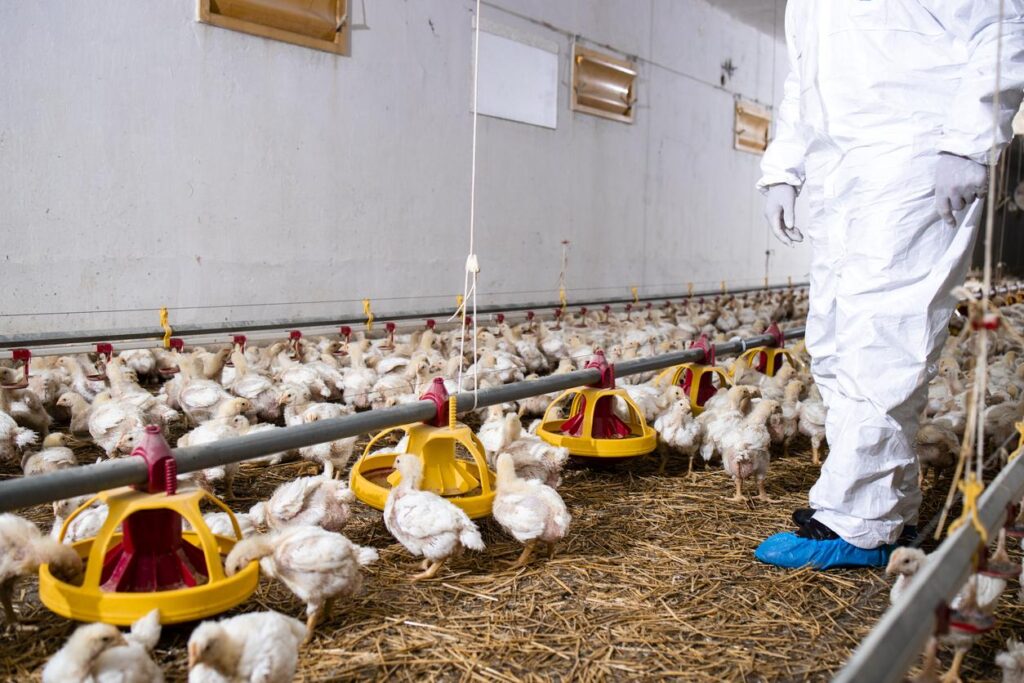
A small-scale broiler poultry farm with 1000 layers invests approximately Ksh 412,000 per season with enhanced biosecurity measures put in place. These measures reduce mortality from 12% to 5%. Additional benefits will include; lower medication costs, better feed conversion, improved carcass quality, reduced condemnations at slaughter. The farm if its selling at Ksh500 kg – Ksh 600kg per bird, it will generate gross revenue of around Ksh 475,000 – 570,000. Therefore, the Net revenue will be around Ksh 63,000- 158,000 where ROI will be 15,29% or 38.35% after every 5 weeks.
Risks
Agriculture tends to face
numerous risks from disease outbreaks, climate variability, market price
fluctuations, supply chain disruptions and trade restrictions. With biosecurity
it often addresses biological risks that would trigger animal deaths,
production losses, emergency slaughter, export bans, consumer panic and
business closure.
To avoid risks, it’s necessary
to have strict risk management strategies like hazard identification, disease
surveillance, rapid reporting, emergency response plans, vaccination
strategies, insurance coverage and regular farm audits so as to strengthen
farms resilience in regard to livestock enterprises. This can be done by
adopting modern technologies that strengthen biosecurity due to quicker
response to disease threats, reducing production losses and supporting
data-driven management.
Every farmer in livestock
production, has an intention to generate returns. Most farmers will invest in
improved breeds to increase productivity, in better feeds to improve growth
rates, and in modern housing to enhance animal welfare. Biosecurity deserves
the same priority because it protects all these investments. It is a strategic
business tool that protects profitability, strengthens resilience, and
safeguards national food systems while ensuring the sector is competitive.
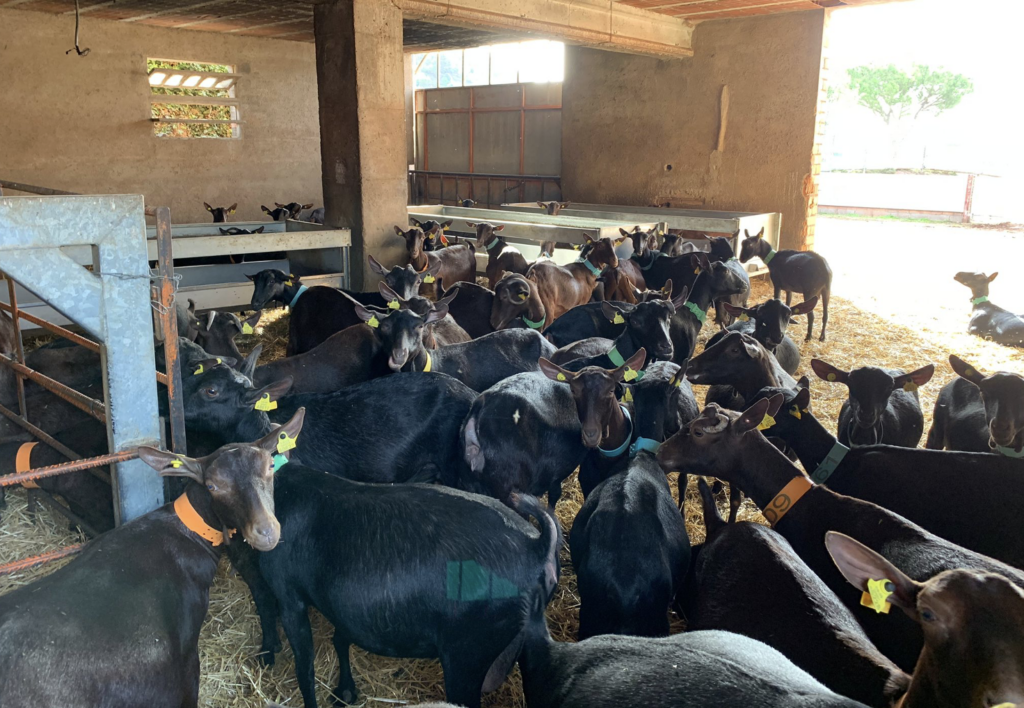
Healthy animals grow faster, produce more milk,
lay more eggs, guaranteed quality meat, reproduce more efficiently, and require
fewer medical interventions. Disease free farms tend to enjoy stronger market
confidence, lower production costs, improved access to finance, and greater
resilience during disease outbreaks.
In an economics perspective, preventing disease
is way less expensive than managing its consequences. As livestock production
becomes increasingly commercial and interconnected, biosecurity is no longer a
matter of good husbandry, but the foundation of smart business strategy,
safeguarding profitability, protecting livelihoods, and strengthening food
security.