
Before the Slaughterhouse: Rethinking Africa’s Meat Industry from the Ground Up
Why breeding, traceability, and agritech are the missing links in Africa’s livestock transformation
How exactly do we breed our animals locally? And how well can we trace the meat we consume?
It’s a question many of us rarely stop to consider.
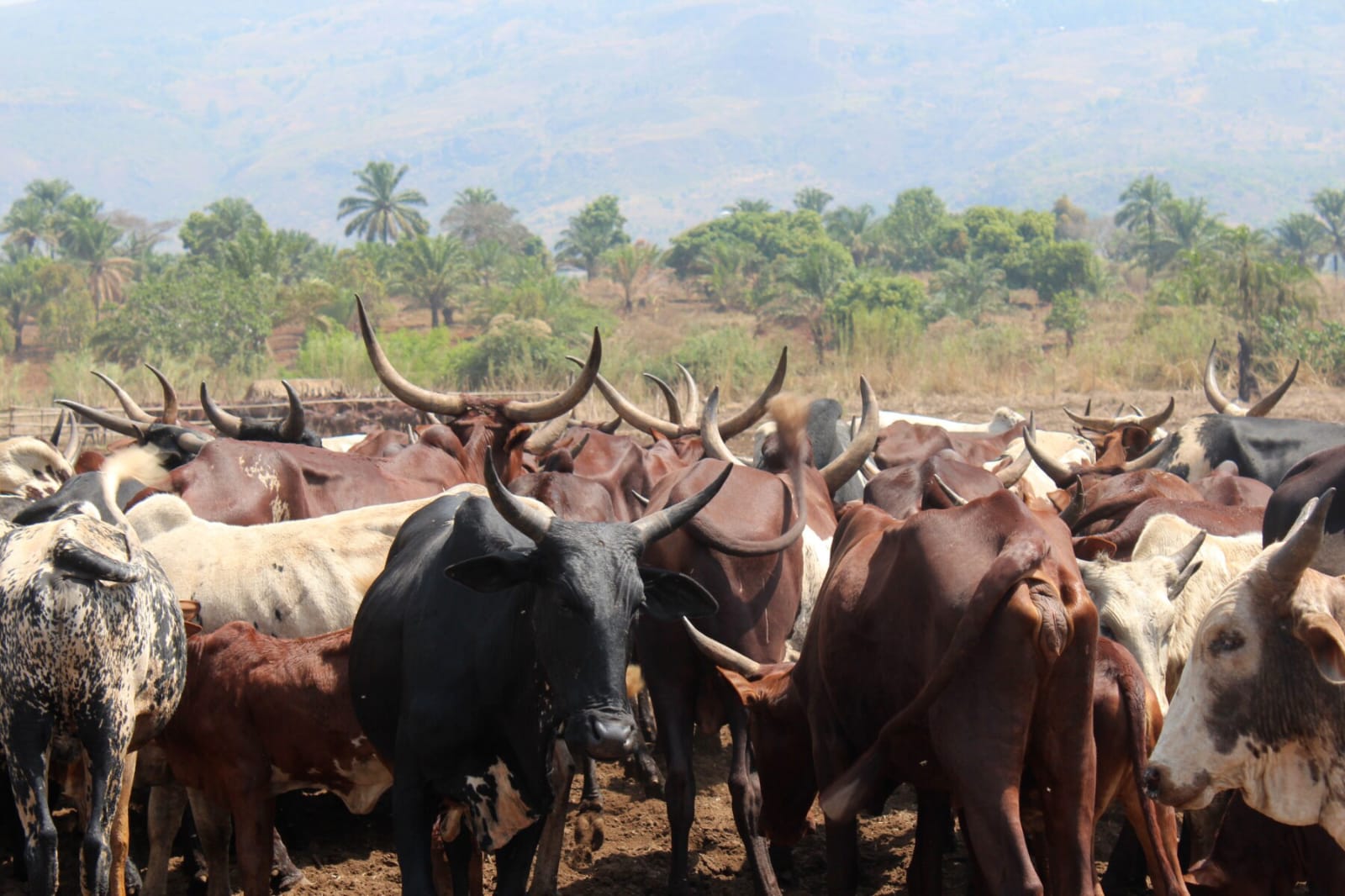
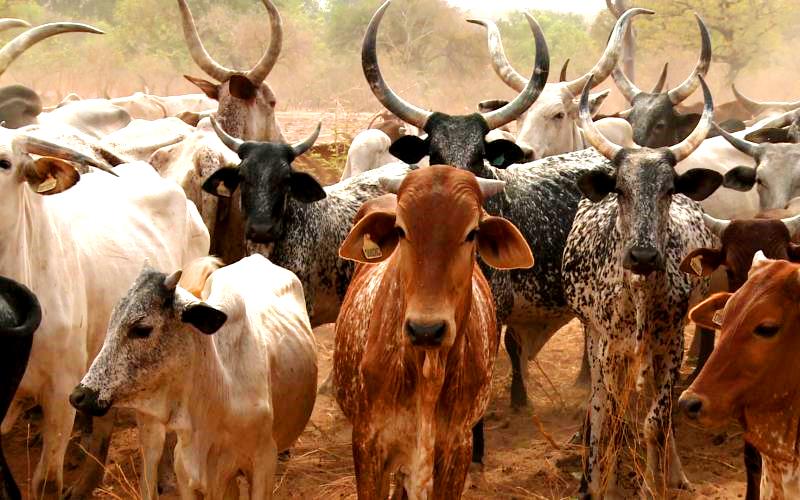
In Kenya, and across much of East Africa, livestock farming is deeply rooted in tradition. Animals are raised the way they have been for generation, free-range, often with minimal records, and with little emphasis on structured breeding systems. There is pride in this method, and rightly so. But there is also a growing gap between tradition and the demands of a modern, fast-evolving meat industry.
Today, the stakes are higher.
What happens when there is a disease outbreak? Can we trace where the meat came from, where the animal was raised, what it was fed, or how it was handled? In most cases, the answer is unclear. This lack of traceability not only puts consumers at risk but also limits our ability to build a credible, competitive meat industry.
Beyond safety, there is the question of value.
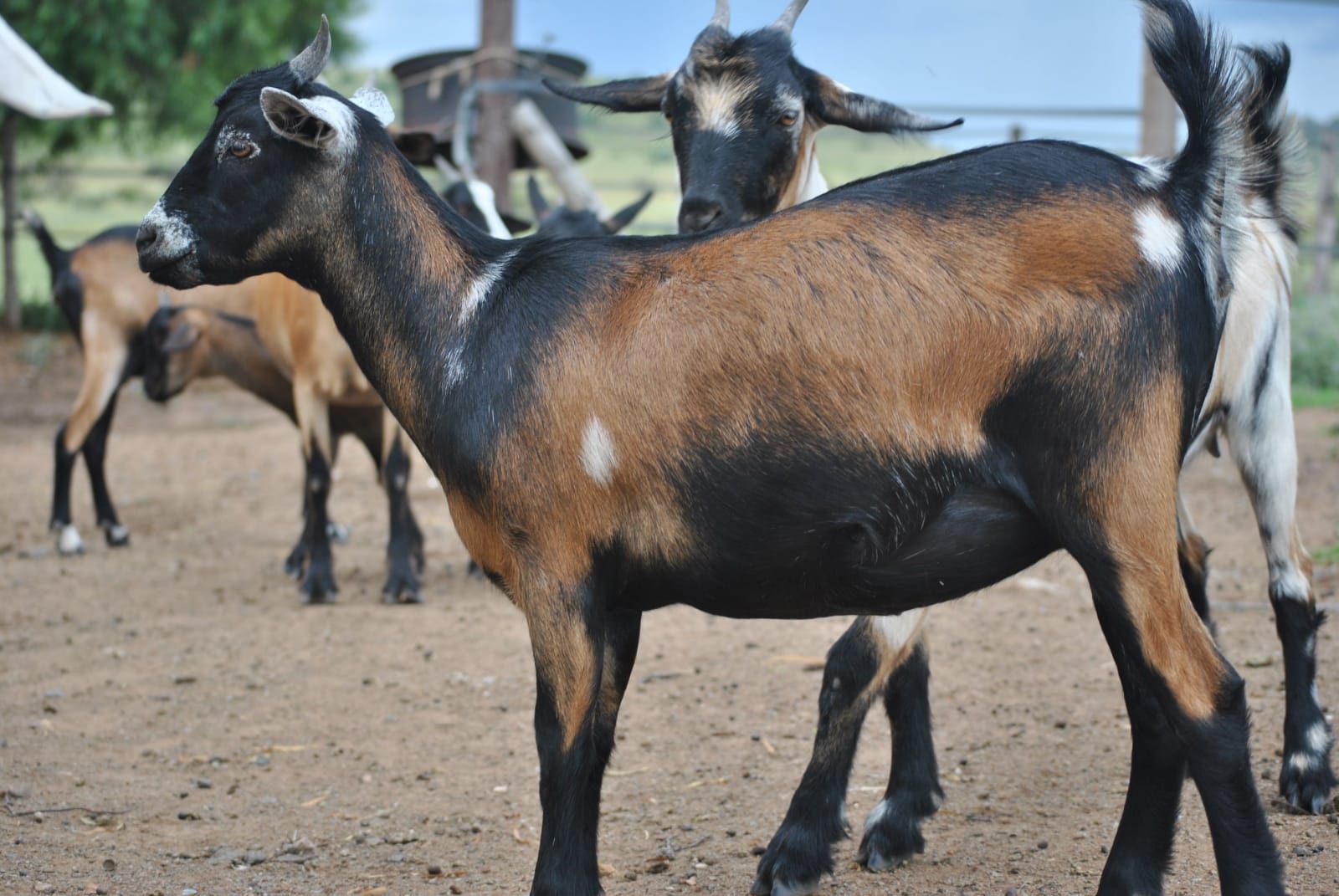
Many farmers quietly wonder why their livestock does not fetch premium prices in the market. The reality is that very few producers are intentionally breeding for quality meat production. There is limited focus on genetics, breed improvement, or structured selection. Instead, livestock is often raised for survival and sale, rather than for optimized productivity and market demand.
And yet, demand for meat is growing rapidly.
Across Africa, urban populations are expanding, incomes are gradually rising, and dietary preferences are shifting. The appetite for meat is increasing, and with it comes an opportunity that the continent cannot afford to overlook. Kenya, East Africa, and Africa as a whole are well positioned to become key players in both local and global meat markets.
But this will not happen by chance.
If we are to build a sustainable and profitable meat industry, we must start at the very beginning, before processing, before manufacturing, before the market. We must start with breeding and tracking.
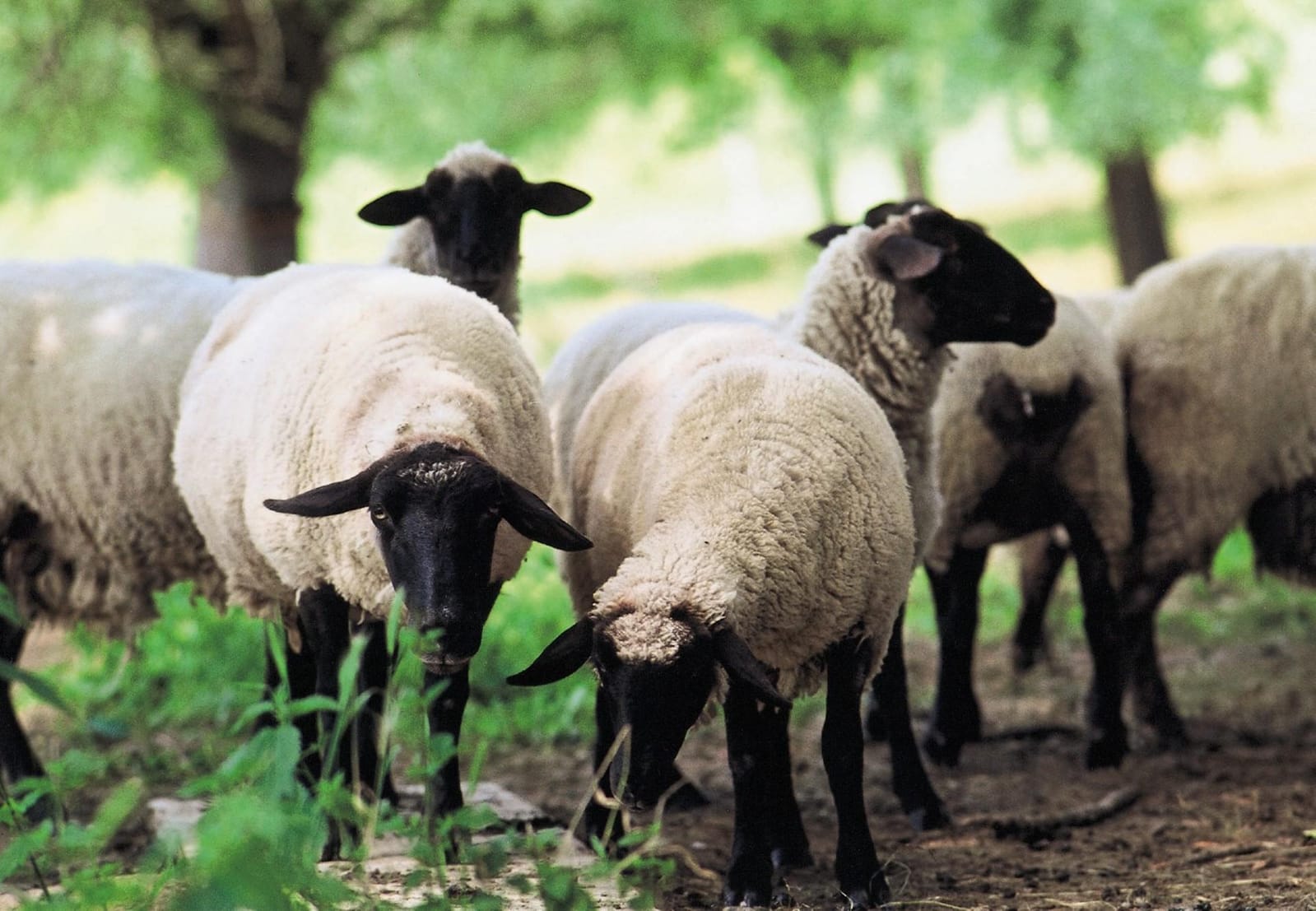
Agri tech is essential. Agricultural technology is often associated with record-keeping, but its potential goes far beyond that. With the right tools, farmers can track animal movement, monitor health, improve breeding decisions, and build reliable data systems that support the entire value chain. Traceability systems can help identify and respond to disease outbreaks quickly. Data-driven breeding can improve meat quality and consistency. Over time, this creates a more predictable, efficient, and profitable industry.
Technology gives farmers control.
Control over the quality of their livestock. Control over market positioning. And ultimately, control over the value they receive.
The challenge, however, is not just technological, it is also cultural and structural. We need more awareness, more intentional breeding programs, and stronger collaboration between farmers, policymakers, and private sector players. We need to move from informal systems to structured, accountable practices that can support growth at scale.
Africa’s meat industry is not lacking in potential. What it needs is strategic direction.
Kenya and the wider East African region have an opportunity to lead this transformation. By investing in better breeding practices, embracing traceability, and leveraging Agri tech solutions, we can build a livestock sector that is not only productive but also competitive on a global stage.
The future of the meat industry in Africa will not be defined in processing plants or export markets. It will be defined on the farm, by the choices we make in breeding, tracking, and managing our livestock today.
If we get it right as a continent, everything else will follow.
At Lekena Limited, we are committed to elevate farmers, highlighting solutions that move Africa agriculture forward. From the small holder farms to the national policy table. Africa’s agriculture is a conversation that matters.