Livestock diseases remain one of the greatest threats
to animal production and food security. Disease outbreaks reduce growth rates,
lower milk, meat, and egg production, affect fertility, increase animal deaths,
and limit access to local and international markets due to animal health and
food safety concerns. According to the World Organization for Animal Health
(WOAH), infectious animal diseases cause billions of dollars in economic losses
every year through reduced productivity, disease control costs, and trade
disruptions.
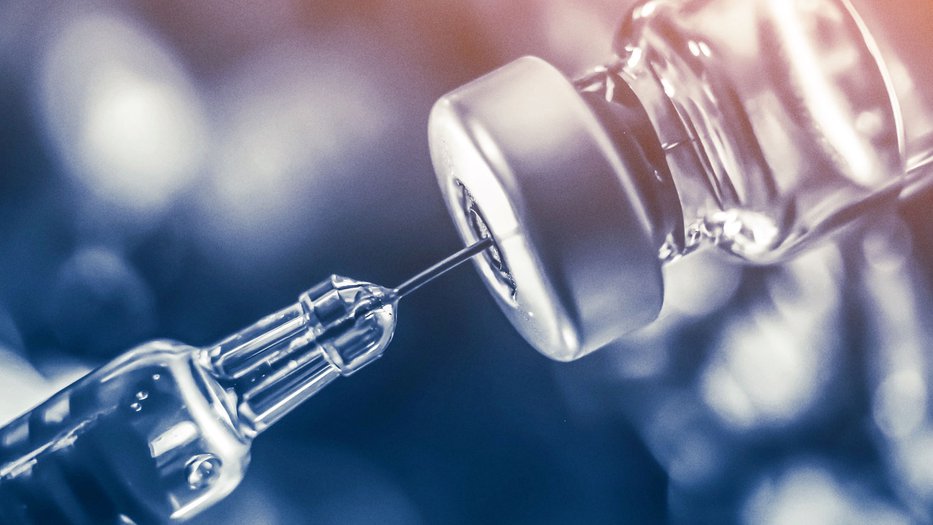
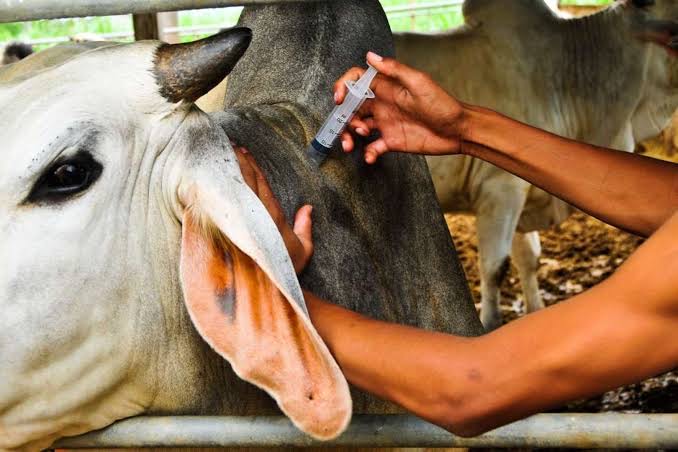
Vaccination is one of the most effective and affordable tools for preventing infectious diseases in livestock and poultry. Vaccines stimulate an animal's immune system, enabling it to recognize and fight diseases causing organisms before they cause illness. For smallholder farmers and pastoralist communities, where livestock often represent a family's primary source of income and food, a well-planned vaccination programme can prevent devastating losses and improve household resilience.
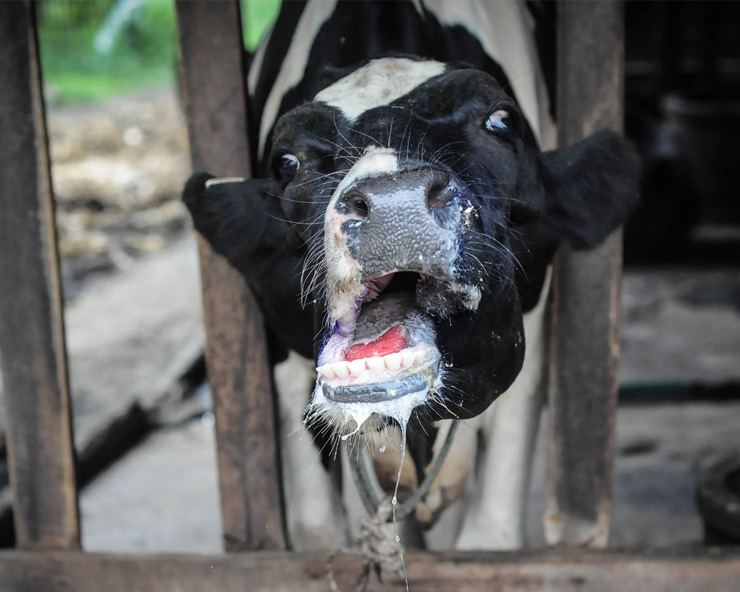
Foot and Mouth Disease
A successful livestock business depends on healthy animals. Vaccination is therefore a core component of modern livestock management because it improves animal welfare, increases productivity, strengthens food security, and supports the production of safe, high-quality animal products. Healthy herds and flocks require fewer treatments, experience lower mortality rates, and achieve better growth, reproductive performance, and feed conversion efficiency, leading to improved farm profitability.
However, effective vaccination programmes require strong support systems.
Governments, veterinary authorities, parastatals and private sector have an
important role in ensuring vaccines are affordable, readily available, and
distributed efficiently, especially in remote and pastoral areas where disease
outbreaks can spread rapidly. Timely access to quality vaccines significantly
reduces the impact of diseases such as Foot and Mouth Disease (FMD), Newcastle
disease, Lumpy Skin Disease, Bovine Respiratory Disease Complex (BRDC), Rift
Valley Fever and Peste des Petits Ruminants (PPR).
Kenya has taken an important step in strengthening livestock disease control through its national vaccination campaign launched in 2025. The three-year programme aims to significantly reduce the prevalence of Foot and Mouth Disease in cattle and Peste des Petits Ruminants in sheep and goats, with the long-term objective of achieving disease freedom. The campaign targets the vaccination of approximately 22 million cattle against FMD and more than 50 million sheep and goats against PPR across the country. The vaccines used in the programme are produced locally by the Kenya Veterinary Vaccines Production Institute (KEVEVAPI), strengthening local manufacturing capacity while ensuring a reliable supply of vaccines.
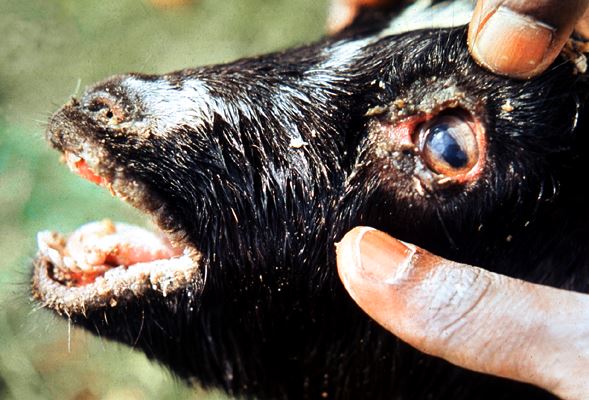
Peste des Petits Ruminants
To improve disease surveillance and accountability, the Government of Kenya also introduced an electronic vaccination system that records every vaccinated animal in a centralized national livestock database. This digital platform enhances traceability, allows veterinary authorities to monitor vaccination coverage in real time, supports rapid response during disease outbreaks, and improves planning for future disease control programmes. Digital animal health records also strengthen compliance with animal movement regulations and support access to export markets that require reliable disease surveillance systems.
Although vaccines are highly effective, their success depends on proper vaccination protocols. Veterinary professionals must ensure that only approved, high-quality vaccines are used and that they are stored and transported under the correct cold-chain conditions from the manufacturer to the point of administration. Exposure to excessive heat, unregulated temperatures or poor handling can reduce vaccine effectiveness and leave animals vulnerable to diseases.
Careful planning before vaccination is equally important. Farmers and veterinary officers should work together for better estimation of the number of animals to be vaccinated, schedule vaccination dates well in advance, assess the costs and expected benefits, and ensure eligible animals are gathered on the agreed day. Good coordination minimizes stress on animals, reduces logistical challenges, and improves vaccination coverage within communities.
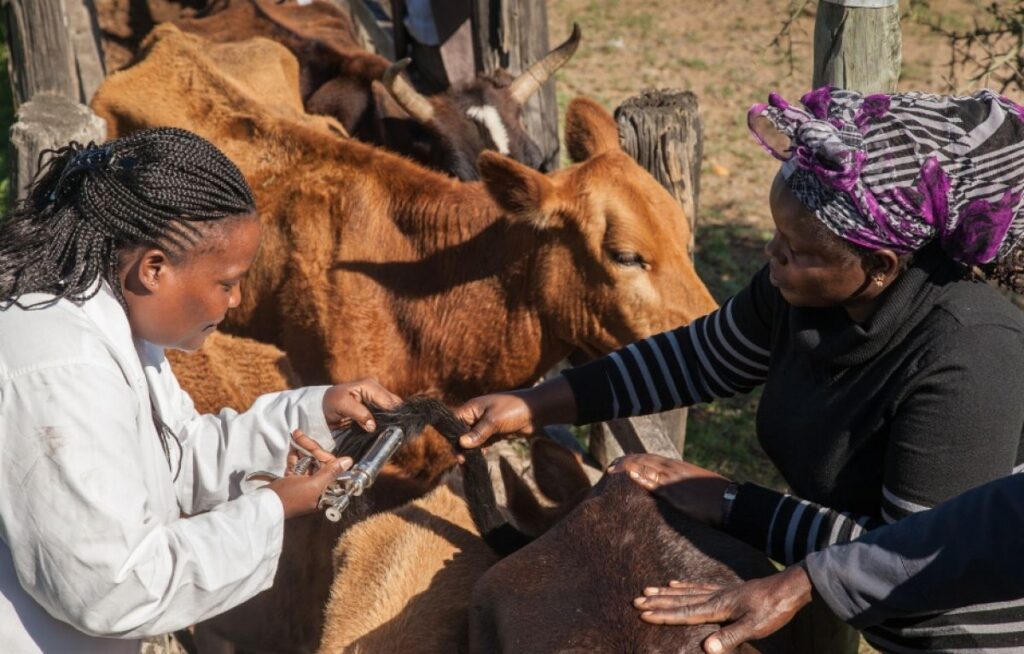
Vaccination should also be integrated with other herd and flock health management practices. Good nutrition, proper housing, biosecurity, parasite control, sanitation, routine health monitoring, and accurate record-keeping all strengthen the immune response and maximize the benefits of vaccination. Vaccines work best when animals are healthy and managed under good husbandry practices.
The benefits of vaccination extend beyond protecting livestock. By reducing the occurrence of animal diseases, vaccination lowers the risk of certain diseases spreading between animals and humans, safeguards the food supply, improves consumer confidence, and supports national and international trade. It also reduces the need for excessive antibiotic use.